The Spark of Innovation
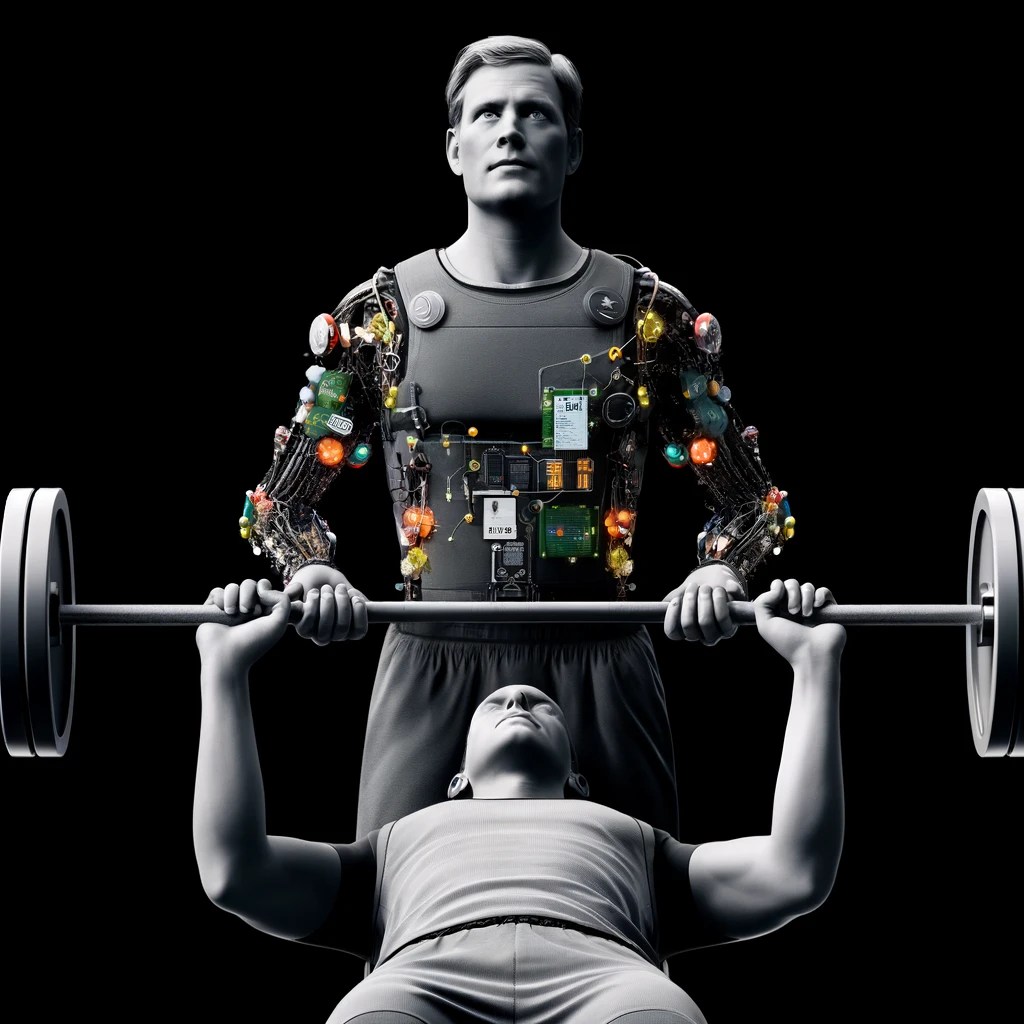
Fitness enthusiasts know that proper form is crucial to maximizing gains and preventing injuries. However, even the most experienced gym-goers can struggle with technique. Inspired by this challenge, I decided to harness my expertise in AI and communication technologies to develop a solution. The result? An innovative experiment using IMU (Inertial Measurement Unit) sensors to capture and analyze the intricate movements of the bench press.
Crafting the IMU Sensors
Creating IMU sensors was a blend of science and art. These small yet powerful devices measure acceleration and angular velocity, providing a detailed picture of every movement. Here’s how I brought them to life:
- Component Selection: I chose top-of-the-line accelerometers and gyroscopes to ensure precision.
- Sensor Calibration: Meticulous calibration minimized errors, making the data reliable.
- Data Processing: Advanced algorithms transformed raw data into meaningful kinematic insights.
The journey was challenging but incredibly rewarding, setting the stage for our groundbreaking experiment.
The Experiment: Capturing Bench Press Magic
The bench press, a staple in strength training, often sees many performing it incorrectly, risking injury. To tackle this, we set up an experiment to capture and analyze the bench press movement using our IMU sensors.
Participants: Our test subjects included a seasoned weightlifter and a novice. This contrast allowed us to see the differences in technique and identify common mistakes made by beginners.
Setup: IMU sensors were strategically placed on the participants’ wrists, elbows, shoulders, and torso, ensuring comprehensive data capture of the upper body during the bench press.
Procedure: Participants performed multiple sets while the IMU sensors recorded every movement. The data were then transmitted to a computer for in-depth analysis.
Diving into the Data
The real magic happened when we started analyzing the data. We focused on key kinematic parameters to understand the nuances of each participant’s movement.
- Joint Angles: We measured the flexion and extension angles of the wrists, elbows, and shoulders. Proper joint angles are crucial for safe and effective bench pressing.
- Velocity and Acceleration: By assessing the speed and acceleration of the barbell, we could evaluate the efficiency and fluidity of the movement.
Comparing the data from the experienced lifter and the novice revealed fascinating insights and areas for improvement.
Eye-Opening Results
Our experiment produced a treasure trove of insights:
- Technique Correction: We identified deviations in the novice’s form, such as excessive wrist flexion and unstable shoulder movement. These findings are critical for designing interventions to improve technique and prevent injuries.
- Performance Metrics: For the experienced lifter, the analysis confirmed efficient and consistent movement patterns, validating their training regimen.
- Real-Time Feedback Potential: This experiment demonstrated the potential for real-time feedback systems. Imagine wearing a device that instantly alerts you to form errors, helping you correct them on the spot!
Conclusion
The success of our experiment showcases the immense potential of IMU sensors in enhancing fitness training. By capturing and analyzing the kinematics of the bench press, we can provide actionable insights that improve technique, boost performance, and reduce injury risk.
As technology evolves, integrating IMU sensors with AI will transform the fitness industry, making personalized training and injury prevention accessible to all. Stay tuned as we continue to push the boundaries of what’s possible!
 ANNA EFA
Leave a comment